When a supplier description leans too hard on price or customization alone, I step back and compare how the device is measured, supported, and used in real workflows.
Readers usually arrive here with a few practical questions in mind:
- What should I compare before buying a skin analysis device?
- How do I tell the difference between useful reporting and sales-heavy claims?
- Which support questions matter after the hardware arrives?
This guide keeps the explanation plain, practical, and focused on next steps a visitor can actually use without sorting through noisy filler.
By the end, you should have a clearer framework for making a decision, checking the basics, and knowing what deserves a closer second look.
Key Terms to Know
Skin analysis device is a broad term for tools that estimate hydration, surface condition, or related skin measurements.
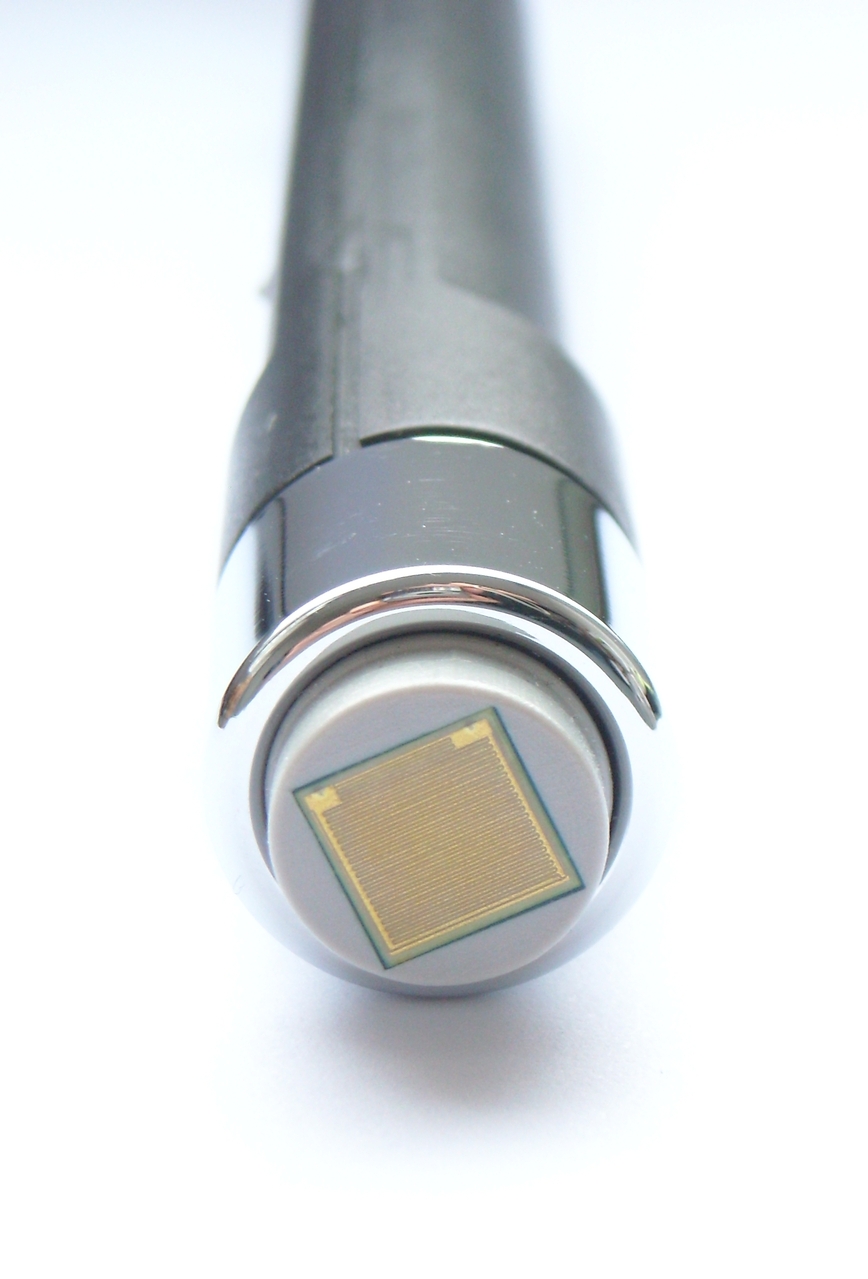
Probe type refers to the sensor or measurement method used by the device.
Workflow fit means how well the device supports intake, repeat measurement, and staff training in real use.
Quick View
| Buying factor | Why it matters |
|---|---|
| Measurement method | Determines what the device can actually assess. |
| Calibration and repeatability | Helps keep readings useful over time. |
| Software export or reporting | Affects client records and follow-up. |
| Training and support | Reduces downtime and misuse after purchase. |
Compare the measurement method first
A device description can sound impressive while saying very little about how the reading is produced. I prefer to start with the sensing method, expected repeatability, and what the output is actually meant to represent.
That cuts through vague marketing and makes it easier to compare products on a useful basis.
Ask how results are documented and repeated
The best buying questions are operational: how quickly can staff learn it, how are repeat measurements stored, and what counts as normal measurement variance? Those details decide whether the device becomes a trusted tool or just an occasional demo machine.
If reporting is part of the service model, export format and record-keeping options deserve the same attention as the hardware itself.
Treat pricing as one piece of the decision
Low upfront pricing is attractive, but support access, replacement parts, onboarding, and warranty response often shape the real cost much more than the opening quote.
I would rather see a clean specification sheet and clear support terms than a long list of promotional claims that cannot be validated in day-to-day use.
Practical Wrap-Up
- Evaluate the measurement method before comparing sales language.
- Check repeatability, reporting, and training support.
- Use price as one decision factor, not the only one.
For related reading, you can also browse the contact page and the blog.