Accident insurance makes more sense when I look at it as a gap-filler for unexpected injury costs, not as a replacement for every other health or disability benefit.
Readers usually arrive here with a few practical questions in mind:
- What does accident insurance usually pay for?
- Who is most likely to benefit from an extra accident policy?
- How do I avoid paying for overlap I already have elsewhere?
This guide keeps the explanation plain, practical, and focused on next steps a visitor can actually use without sorting through noisy filler.
By the end, you should have a clearer framework for making a decision, checking the basics, and knowing what deserves a closer second look.
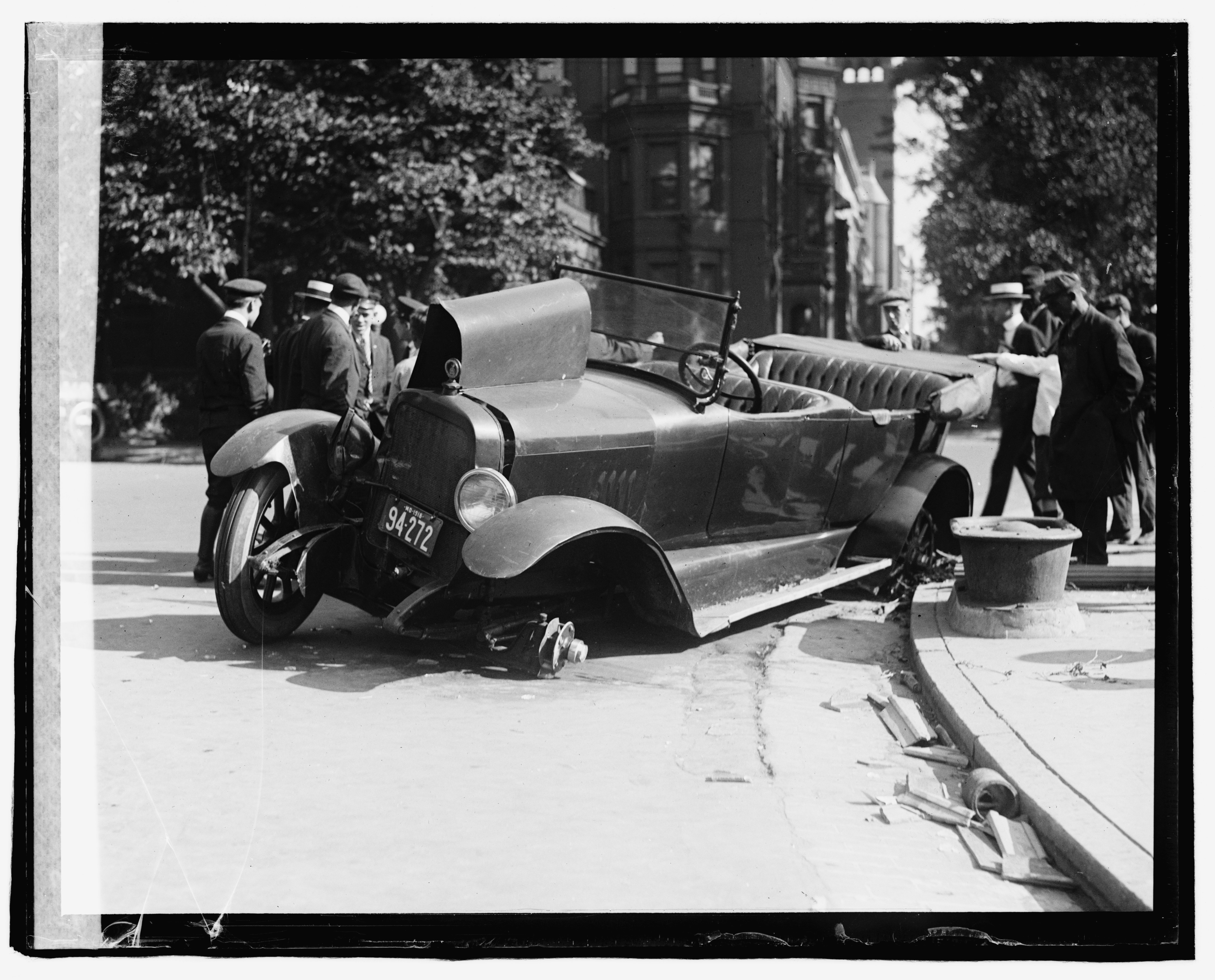
Key Terms to Know
Accident insurance is a supplemental policy that may pay cash benefits after covered accidental injuries.
Supplemental means it adds to other coverage rather than replacing major medical insurance.
Benefit schedule refers to the fixed amounts or categories a policy may pay under specific circumstances.
Quick View
| Review point | Why it matters |
|---|---|
| Coverage trigger | Policies usually pay for accidental injuries, not all illnesses. |
| Benefit structure | Many plans use fixed payouts instead of open-ended reimbursement. |
| Existing benefits | Employer or medical coverage may already fill part of the same gap. |
| Out-of-pocket risk | The higher the deductible or missed-income risk, the more relevant the policy may feel. |
Understand what problem the policy is solving
The most practical question is not “Do I want more insurance?” but “What unexpected expense am I worried about?” For some households that means urgent care bills, transportation, childcare disruption, or time away from work after an injury.
Framing the need clearly helps separate useful coverage from policies that only sound reassuring.
Compare it against coverage you already have
I would check employer benefits, health-plan deductibles, emergency savings, and any short-term disability protection before paying for an added accident policy. Overlap is common, especially when the supplemental plan has narrow payout rules.
The more the policy duplicates existing support, the harder it is to justify the premium.
Look at the payout schedule, not just the headline promise
A policy can sound broad until the actual schedule shows modest fixed amounts for specific injuries or treatment steps. Reading that schedule carefully is usually the difference between a useful purchase and a disappointing one.
For a quick decision, I focus on deductible exposure, income stability after an injury, and how likely it is that the benefit would change the household budget in a meaningful way.
Practical Wrap-Up
- Accident insurance is usually supplemental, not comprehensive.
- Review existing benefits before adding another premium.
- The payout schedule matters more than the marketing summary.
For related reading, you can also browse the blog and the contact page.