Planning a group game session and want it to feel fun—not chaotic? The best Disney games for group play are the ones that keep multiple people involved, offer easy entry points, and still reward teamwork or friendly competition.
When you search for Disney games for parties, you usually want answers to a few quick questions: Which games support more than one player? What works for mixed ages? How do we keep everyone engaged? and what do we need set up before we start?
Online play is at its best when it’s designed for social interaction—clear rules, understandable goals, and enough “anyone can jump in” moments. For guidance on inclusive game access and player-friendly design principles, see WCAG guidance and GDC Vault resources on game design. (Both links include utm_source=disneyanaexchange.com.)
By the end of this guide, you’ll have a short list of great Disney-themed games for group play, plus a practical checklist to run the session smoothly—whether you’re playing on a single screen or taking turns together online.
Introduction to group gaming
“Group play” doesn’t always mean everyone controls the same character at the same time. It can also mean:
- Turn-based play (players rotate quickly)
- Team-based play (a shared goal with separate roles)
- Co-located play (one device, group cheering and decision-making)
The sweet spot for parties is games that reduce “waiting around.” If someone takes more than a few minutes to understand what to do next, group energy usually drops. So the recommendations below prioritize games with quick learning curves, visible progress, and mechanics that naturally include more than one person.
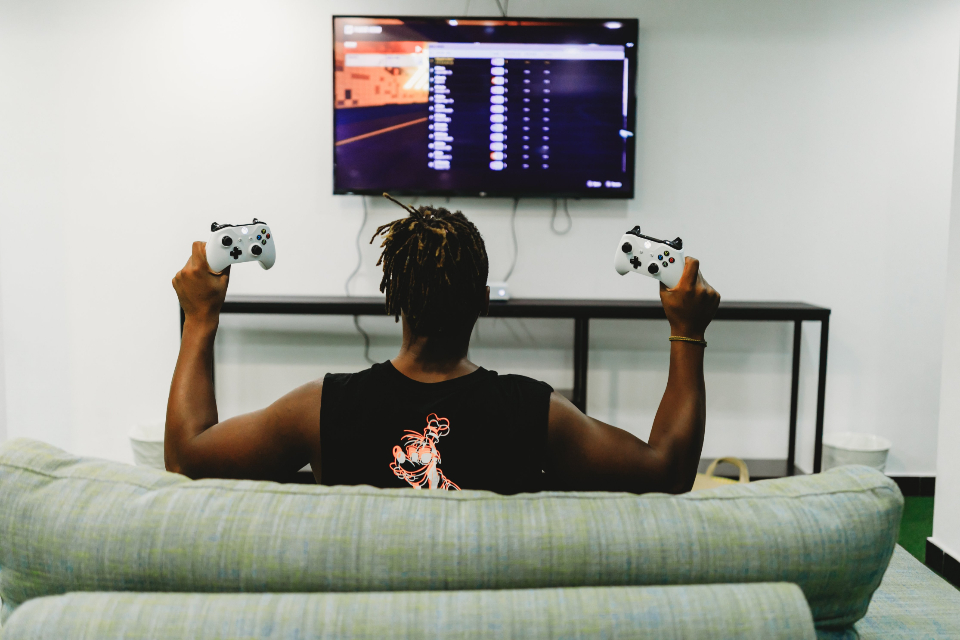
The best Disney games for group play
Here are top picks that work well for group settings. Each one includes a quick “why it’s good for groups” note and an easy way to run it.
1) Classic party competition: Disney puzzle rounds
Why groups like it: puzzle games usually have clear objectives, short sessions, and satisfying “finish a round” moments—great for switching players without long downtime.
How to run it: set a time limit (like 5–10 minutes per player). Keep a group score on a phone or whiteboard and rotate after each round.
2) Cooperative vibe: Team adventure missions
Why groups like it: missions and challenges shine when people can share strategies. Even if only one person clicks at a time, others can direct: “Try the left path” or “Save that power-up.”
How to run it: assign roles: one “navigator” (calls out the plan) and one “controller” (plays). Swap roles every mission to keep things fair.
3) Quick skill play: Disney reaction and mini-game challenges
Why groups like it: mini-games tend to be short, high-energy, and easy to restart—so the group stays excited.
How to run it: host a “best of 3” mini-game bracket. Players get three tries, and the group hears a clear win/lose outcome each round.
4) Co-op strategy: Shared decision games
Why groups like it: games that involve planning (rather than pure twitch reactions) let multiple people contribute. It becomes a group conversation, not a single-person test.
How to run it: pause after each major decision and ask the group: “What’s our plan?” Then pick one vote and proceed.
5) Casual arcade moments: One-screen “pass the controller” play
Why groups like it: passing the controller keeps everyone involved even when the game is technically single-player. The group cheers, coaches, and takes turns.
How to run it: set a simple rule: pass after a level, after a checkpoint, or after a fixed number of attempts (for example, 3 lives).
Game features that support group play
When you’re choosing among Disney games, look for these features. They’re strong predictors of whether the group will stay engaged.
| Group-friendly feature | What it looks like | Why it matters |
|---|---|---|
| Short rounds | Levels, challenges, or timed sessions | Faster rotations = less waiting |
| Clear goals | On-screen objectives and visible progress | New players can catch up quickly |
| Shared strategy | Planning, roles, or visible options | Group input feels meaningful |
| Easy restart | Quick retry and stable game flow | Reduces friction during a party |
| Accessible controls | Readable UI and manageable input | More players can participate comfortably |
Tips for organizing group gaming sessions
If you want your party to run smoothly, treat it like hosting an event—because that’s exactly what it is.
Set expectations upfront
Before anyone plays, explain the session flow in one sentence: “We’ll do 5–10 minute rounds, rotate every round, and keep a simple score.” It reduces confusion and keeps energy high.
Pick a “warm-up” game first
Start with the simplest game so late arrivals can jump in. Then move to more strategic or competitive picks once people are warmed up.
Use a role system to include everyone
Even single-player titles can feel social with roles: controller, navigator, scorekeeper, and hype person. Rotate roles every round so it never becomes “everyone watches one person.”
Keep devices and connections ready
Test the game and internet connection before guests arrive. If you’re playing on multiple devices, aim to launch everything early—logins, loading screens, and updates.
Want more Disney game ideas?
If you’re building a game night lineup, browse more picks on our blog index and explore the site from the home page. For questions about playing together or finding the right game, you can also reach out via the contact page.
Conclusion
The best Disney games for group play are the ones that keep rotations quick, goals clear, and conversation alive. Use the feature checklist above, start with a warm-up game, and run your session with simple roles so everyone gets a turn.
Quick recap: choose short-round games, prioritize accessible controls and clear objectives, rotate roles, and keep tech ready. Then let the group do what groups do best—cheer, collaborate, and have fun.