The sweet spot for kids’ games is not “educational” on one side and “fun” on the other. The best picks do both at once, which is why Disney-themed games can be such a useful shortcut for families who want learning to feel like play instead of homework wearing mouse ears.
Most parents who search for Disney games for kids are really asking a cluster of practical questions. Which games are actually age-appropriate? Which ones teach something without announcing themselves like a worksheet? Which games work for short after-school play instead of a whole weekend project? And how do you tell the difference between a genuinely useful game and a loud distraction with a familiar character on the box? Those are fair questions. Nobody wants to buy “learning fun” and discover it is mostly menu screens and negotiation.
There is a good reason this category matters. The National Association for the Education of Young Children notes that playful learning supports development across domains, which is a tidy way of saying kids learn more than one thing at a time when the activity is well designed. A strong game can build attention, memory, language, planning, and social skills in the same half hour. Add Disney characters that children already recognize, and the barrier to entry usually gets lower. You spend less time persuading them to try and more time noticing what they are practicing.
In the plain version, this article gives you a quick map. I will walk through five Disney-themed games that are genuinely useful for kids, explain what each one teaches, and share a few parent filters that make selection easier. If you want a broader look at the site’s gaming hub first, the homepage is the fastest starting point. If you want more family-friendly ideas after this, the blog and the site’s about page can give a little more context on how these guides are framed.
What Makes a Disney Game Educational?
I find it helpful to use a simple test. An educational game should help a child practice a skill that still matters after the screen turns off or the board goes back in the box. That skill might be sequencing, reading, memory, visual scanning, cooperation, or flexible thinking. The point is transfer. If a game only keeps a child busy, it may still be fun, but it is not doing the extra job parents are usually hoping for.
- Good educational games create repeatable decisions. Kids have to choose, test, adjust, and try again.
- They keep instructions simple. If adults need a ten-minute lecture to start, younger players often lose the thread.
- They reward attention, not just speed. This matters a lot for kids who enjoy Disney themes but do not love competitive pressure.
- They leave room for conversation. The best family games give you natural moments to ask, “Why did you pick that?” or “What should we try next?”
That last point is bigger than it sounds. A game becomes more educational when an adult helps children name what they are doing. “You remembered the pattern.” “You found the shortcut.” “You changed your plan when the first idea did not work.” Those small observations turn play into reflection, and reflection is usually where the learning sticks.
| Game | Best fit | Main learning strengths | Why it stays fun |
|---|---|---|---|
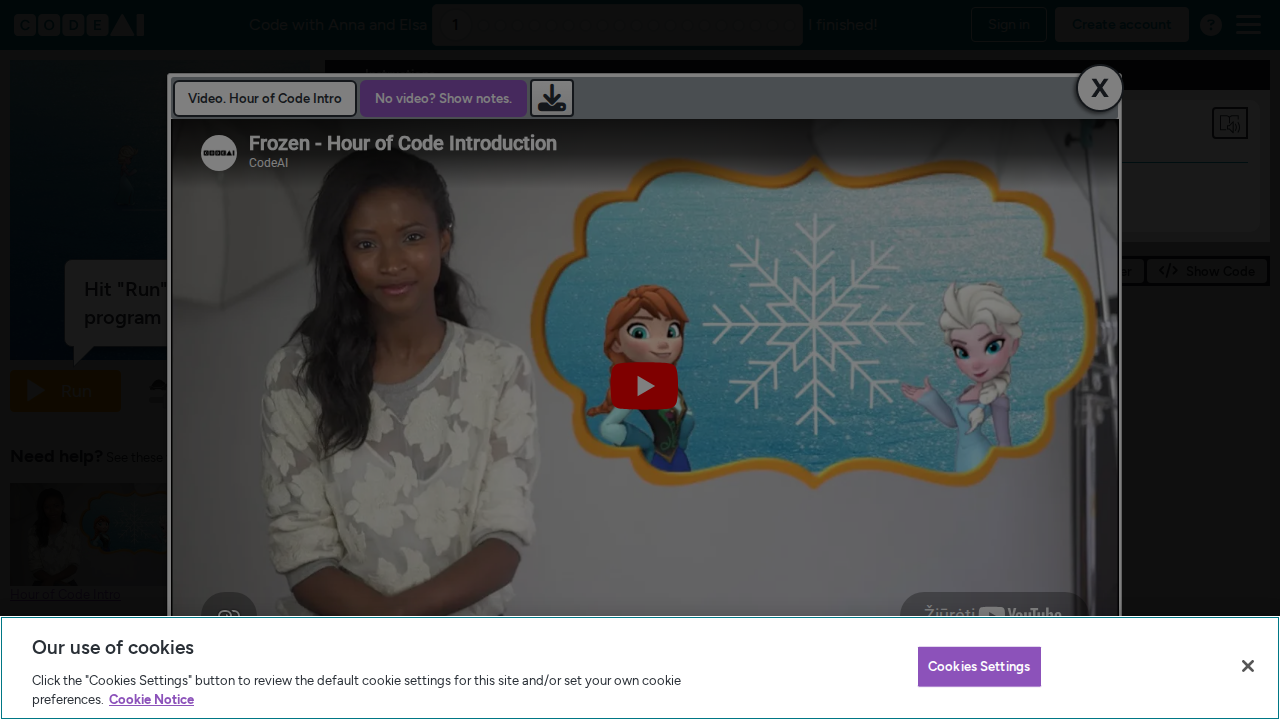
| Code with Anna and Elsa | Kids who like puzzles and early coding | Sequencing, pattern recognition, persistence | Instant visual feedback and familiar Frozen characters |
| Disney Eye Found It! | Preschool and early elementary family play | Visual scanning, counting, turn-taking | Hidden-object search feels like a treasure hunt |
| Disney Coloring World | Creative kids who like lower-pressure digital play | Color choice, planning, fine-motor control | Open-ended decorating and character customization |
| Disney Princess Enchanted Forest Sagaland | Kids ready for memory and route planning | Recall, patience, strategic movement | It turns simple searching into a storybook quest |
| Disney Lorcana Gateway | Older kids ready for reading-heavy strategy | Reading comprehension, planning ahead, light math | Deckbuilding and character combinations keep it interesting |
5 Disney-Themed Games That Balance Fun and Learning
1. Code with Anna and Elsa
The clearest educational pick on the list is Code.org’s Code with Anna and Elsa. It uses Frozen characters to introduce basic programming ideas through puzzles that ask kids to arrange instructions in the right order. The child is not memorizing technical jargon. They are learning the logic behind “first this, then that, then fix what went wrong.” That is a surprisingly durable skill.
What I like here is the low-drama learning curve. The activity looks playful, the feedback is immediate, and success feels visual instead of abstract. A child can change a block, run the puzzle again, and see the result right away. That loop teaches persistence almost by accident, which is often how the best learning happens. If the first attempt goes sideways, the game does not turn stern. It simply invites another try.
- Best for: early elementary kids who enjoy step-by-step puzzles and want a digital activity with a clear goal.
- Educational value: sequencing, debugging, spatial reasoning, and the habit of breaking a big task into smaller moves.
- Parent note: this works especially well if you ask children to predict what will happen before they press run.
It also gives parents a nice bonus: you can watch the thinking happen. That is harder with many children’s games, where the learning is buried. Here, the logic is visible. You can literally point to the pattern. For kids who are curious about building things, problem solving, or even just making Elsa draw prettier snowflake paths, this is a strong entry point.
2. Disney Eye Found It!
Disney Eye Found It! is one of those board games that looks simple enough to underestimate. Then you sit down with a child and realize how much work their brain is quietly doing. Players search a long illustrated board for hidden objects, familiar characters, and tiny visual details while moving together through Disney-themed locations.
The obvious skill here is observation, but that is only the first layer. Children practice staying focused, scanning left to right, comparing shapes, and noticing the difference between “I think I saw it” and “I found it.” For younger kids, that is useful groundwork for reading readiness and classroom attention. For slightly older kids, it is a good reminder that concentration can still be fun if the activity feels like a quest instead of a test.
- Best for: ages 4 and up, especially mixed-age family play.
- Educational value: visual discrimination, counting, patience, teamwork, and following simple rules.
- Parent note: if one child is much faster, switch to cooperative language such as “help us find three more” rather than turning every round into a race.
This game is also helpful for families who want a low-screen option. Sometimes the most practical educational choice is the one that keeps kids engaged at a table long enough to practice waiting, sharing, and staying with a task. Those are not flashy skills, but they matter. A lot.
3. Disney Coloring World
Not every educational game needs a right answer, which is where Disney Coloring World earns its place. This app is a better fit for children who enjoy creating, decorating, and experimenting with color more than they enjoy rules-heavy play. That does not make it a lesser choice. It just means the learning looks different.
Coloring apps can be a little hit or miss, but this one has a useful advantage: children work with characters they already know, so they can focus on artistic choices instead of figuring out what the activity even wants from them. They practice tool selection, color matching, visual planning, and the simple discipline of finishing a piece. Younger children may mostly explore. Older children often start making deliberate choices about palette, patterns, and scene building.
- Best for: younger kids who enjoy art, pretend play, and calmer digital sessions.
- Educational value: creativity, color recognition, visual planning, and fine-motor style control on a touchscreen.
- Parent note: this is a good “reset game” after school because it feels soothing instead of demanding.
I also like it as a conversation starter. Ask a child why they chose a certain color for a cape or a castle. Ask what story their scene tells. Suddenly a quiet coloring session turns into language practice and storytelling. That is the sneaky magic of open-ended play: the learning expands when kids explain their choices out loud.
4. Disney Princess Enchanted Forest Sagaland
If your child is ready for a little more structure, Disney Princess Enchanted Forest Sagaland is a strong bridge between beginner memory games and more strategic board play. The theme is approachable, but the actual challenge comes from remembering where key items are hidden and deciding how to move efficiently across the board.
This is where children start practicing delayed payoff. They may spot the information they need now but only cash it in a few turns later. That sounds like a small thing until you remember how much early learning depends on holding a detail in mind, resisting impulse, and waiting for the right moment to use it. In ordinary family language: it teaches kids not to spend every idea immediately.
- Best for: children who already enjoy matching or memory games and are ready for one extra layer of planning.
- Educational value: recall, route planning, rule-following, and flexible thinking when another player gets there first.
- Parent note: narrating the choices helps: “You remembered the tree, but now you need the best path.”
It is also a nice option for kids who do not love direct competition. The princess theme keeps the tone gentle, and the memory challenge feels more like exploring than battling. That matters more than adults sometimes realize. A child learns better when they feel invited instead of judged.
5. Disney Lorcana Gateway
For older kids, Disney Lorcana is one of the better examples of a game that looks like pure fandom on the surface but quietly asks for serious thinking. The entry point I would consider first is the Gateway-style beginner experience because it introduces the rules more gently than throwing a child straight into a full collectible card game ecosystem. Once kids can read comfortably and track several moving parts, the game becomes a rich little strategy lab.
Reading is the first obvious benefit. Kids need to process card text, compare choices, and understand how one effect changes the board. Then comes planning: when should you play a card, save it, or use it as ink? There is also light math hiding in every turn, from counting costs to comparing outcomes. If that sounds like a lot, it is. That is why this one belongs with older elementary kids rather than younger players who just want to see Mickey and go immediately.
- Best for: older kids who read independently and enjoy collecting, strategy, and learning systems.
- Educational value: reading comprehension, resource management, planning ahead, and basic arithmetic through play.
- Parent note: keep the first sessions small and focused. A short guided game works better than opening every rule at once.
The reason it works is that the decisions feel meaningful. Kids are not just waiting for a lucky roll. They are testing judgment. And when children start explaining why one move was stronger than another, you get a clear window into how their reasoning is developing.
How Each Game Supports Real Learning
If you zoom out, a pattern appears. Different Disney games train different kinds of attention. That matters because “educational” is not one big category. Some children need practice persisting through step-by-step challenges. Some need more memory work. Some need creative expression that still has enough structure to feel satisfying. The trick is matching the game to the child, not chasing a mythical best game for every family.
- For problem-solvers: Code with Anna and Elsa is excellent because it rewards planning, testing, and revising.
- For detail spotters: Disney Eye Found It! trains sustained visual attention without making the room feel like a classroom.
- For creative thinkers: Disney Coloring World gives children room to make choices and tell stories through art.
- For memory builders: Enchanted Forest Sagaland asks kids to store information, retrieve it later, and act on it.
- For strategic readers: Disney Lorcana Gateway gives older kids a reason to read closely and think two turns ahead.
That is also why variety helps. A child who bounces off a coding activity may light up during a hidden-object game. A child who finds board games too slow may happily spend twenty minutes choosing colors and building a scene. When parents say a child “doesn’t like educational games,” the short answer is often that the format was wrong, not the idea.
I like to think of these games as tools in different drawers. You do not use the same tool for every job, and you do not judge a paintbrush for being a bad screwdriver. The useful question is simpler: what kind of thinking do you want to invite today?
Parent Tips for Choosing the Right Disney Game
Parents usually do not need more options. They need better filters. Here are the filters I would use before buying, downloading, or setting up anything new.
- Start with the child’s current stamina. If they can focus for ten minutes, do not choose the game that blooms after forty.
- Match the learning goal to the mood. After school may be a better time for coloring or hidden-object play than for strategy-heavy card rules.
- Check how much adult setup the game needs. Some educational games are great, but only if an adult can coach the first few rounds.
- Look for replay value. The best games let kids practice the same skill in slightly different ways each time.
- Leave room for conversation. Asking children to explain what they noticed or why they made a move turns entertainment into deeper learning.
One more practical point: keep expectations modest. A game does not need to teach seven subjects, improve handwriting, and somehow make broccoli popular by dinner. If it helps a child practice one or two meaningful skills while genuinely enjoying themselves, that is already a good result. Educational gaming works better when adults stop demanding miracles and start noticing progress.
A Simple Weekly Routine That Works
- Monday or Tuesday: short logic session with Code with Anna and Elsa.
- Midweek: one calm creativity block with Disney Coloring World.
- Weekend family slot: pull out Disney Eye Found It! or Enchanted Forest Sagaland for shared table play.
- Older-kid night: save Disney Lorcana for a slower session when reading and strategy will not feel rushed.
This kind of rotation helps because it spreads the cognitive load around. Kids are not doing the same type of thinking every time. They get logic, memory, art, reading, and social practice in different doses, which feels far more natural than trying to turn one game into the answer for everything.
The Short Answer
The best Disney-themed games for kids are the ones that pair familiar characters with a specific kind of practice. Code with Anna and Elsa is excellent for early logic. Disney Eye Found It! is great for observation and family teamwork. Disney Coloring World supports creativity and calmer digital play. Disney Princess Enchanted Forest Sagaland strengthens memory and planning. Disney Lorcana Gateway works well for older kids who are ready for reading-heavy strategy.
If you are choosing just one place to start, go by the child more than the brand. Pick the puzzle game for the child who likes figuring things out. Pick the hidden-object board game for the child who loves spotting details. Pick the coloring app for the child who wants to create. Pick the strategy cards for the child who already enjoys reading rules and building plans. That sounds obvious, but it is the difference between a game that gets replayed and one that ends up living on a shelf with very ambitious intentions.
And if you want the next question to answer after this one, it might be: does your child learn best by solving, searching, creating, remembering, or strategizing? Once that part is clear, the “best game” choice gets much less mysterious.