Creativity in games is not just about drawing tools or fancy editors. It is the part of play where a child makes a choice, tests an idea, and then changes the plan. Disney games are good at this because they often invite kids to decorate a space, shape a story, mix characters, or try a different approach without getting punished for experimentation. That is the sweet spot: structured play with room to improvise.
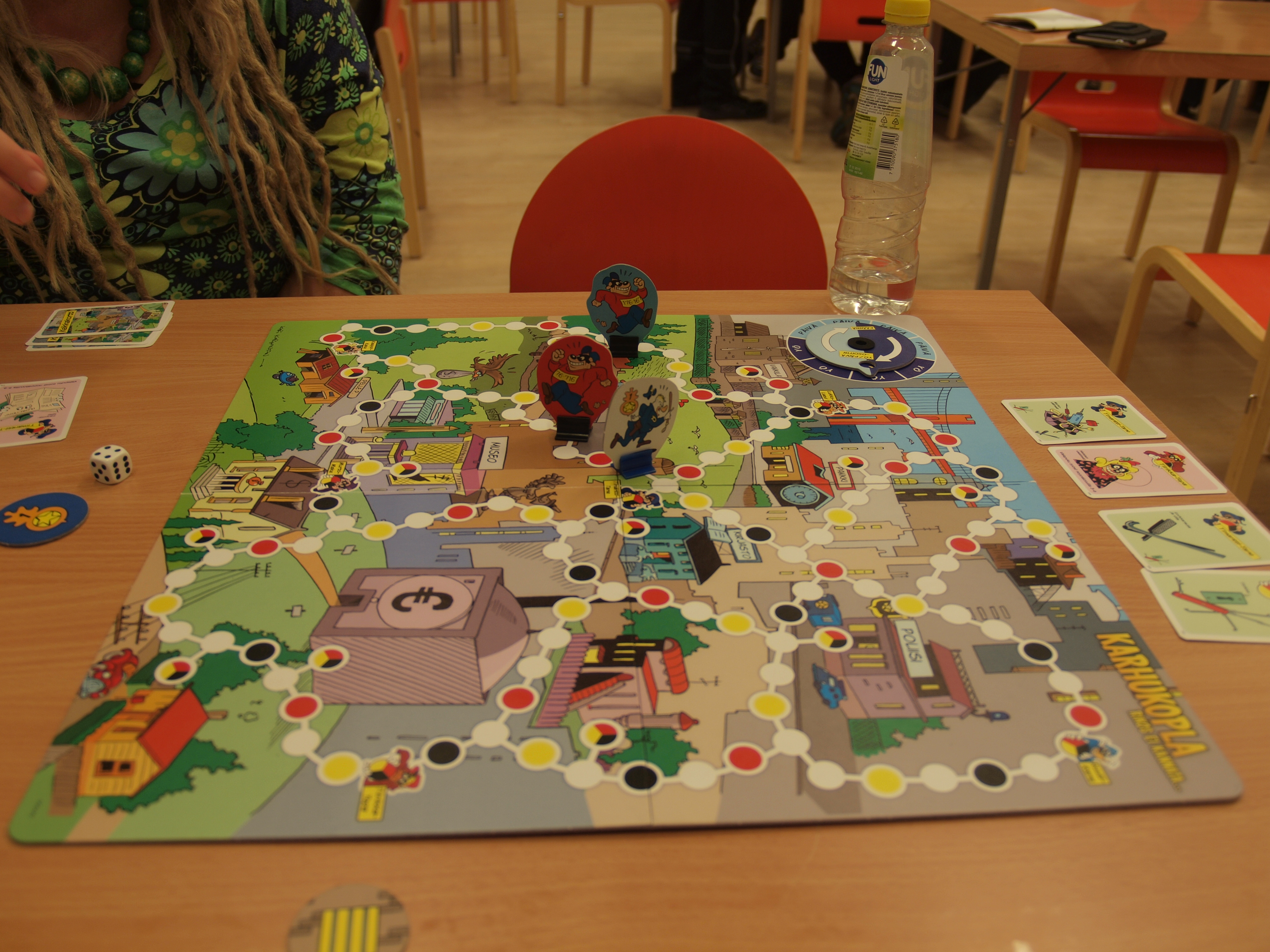
If you want the short version, this is it: Disney games foster creativity when they ask players to make choices that have no single correct answer. The best examples give children a sandbox, not a script. That fits what UNICEF says about why play matters: play helps children explore, solve problems, and practice flexible thinking in a low-pressure environment.
Examples of Disney games that encourage creative thinking
Some Disney titles are designed around expression, decoration, and remixing. Others push kids to adapt, plan, and combine ideas. Either way, the mechanic matters more than the label on the box.
| Game | Creative mechanic | Why it helps |
|---|---|---|
| Disney Dreamlight Valley | Decorating homes, arranging spaces, crafting, and choosing how a valley looks and feels | Kids practice design decisions and spatial imagination |
| Disney Infinity | Mixing characters, building play sets, and creating custom toy-box worlds | Children learn to combine ideas and invent new scenarios |
| Disney Coloring World | Color choice, pattern selection, and character art customization | Supports visual expression and individual style |
| Disney Emoji Blitz | Testing combos, timing moves, and finding new ways to clear challenges | Encourages experimentation and flexible problem-solving |
For a broader look at how creative play supports child development, Child Mind Institute’s overview of the benefits of play is useful. It reinforces a point parents often see firsthand: when children are allowed to experiment, they get better at planning, adapting, and telling their own story.
Why imaginative play matters
Imaginative play strengthens more than entertainment value. It builds the kind of thinking that helps children move from “What if?” to “Let me try.” That has cognitive, social, and emotional upside.
- Cognitive growth: Kids compare options, remember rules, and adjust when a plan does not work.
- Social skills: Cooperative play teaches turn-taking, negotiation, and shared storytelling.
- Emotional resilience: When a child can make a new plan after a mistake, frustration becomes part of the process instead of the end of it.
- Language development: Children explain their choices, describe characters, and narrate what happens next.
NAEYC’s play resources make the same practical case from an education angle: play is not a break from learning. For young children, play is often how learning shows up when nobody is trying to make it look tidy.
How parents can turn game time into creative time
Parents do not need to run the whole experience. They just need to make space for choices, questions, and reflection. That is the part that turns ordinary screen time into a useful creative routine.
- Ask open-ended questions. Try “Why did you choose that character?” or “What would happen if you changed the room layout?”
- Let kids explain the rules in their own words. Teaching back the game is a fast way to reveal whether they actually understand it.
- Encourage remixing. If the game allows decoration, character swaps, or different story paths, let the child experiment before you suggest an “improved” version.
- Pause for reflection. Ask what surprised them, what they would do differently, and what felt most fun.
- Mix digital play with offline making. After a Disney game session, have kids sketch a new room, draw a character outfit, or invent a sequel scene on paper.
A good rule: if the game gives a child choices, the parent should resist the urge to optimize every choice. Kids do not need a tiny project manager standing over the controller. They need room to build their own taste.
A simple play loop that works
Here is an easy structure you can use during game time:
- Pick a Disney game with building, decorating, or story choices.
- Let the child play once without interruption.
- Ask one question about the decision they made.
- Invite one change or remix.
- End by having them show or explain the result.
That loop is small, but it works. It gives the child control, then gives them language for what they created. That is where imagination becomes a skill instead of just a mood.
Keep exploring
If you are building a family game routine, start with the home page, browse more ideas in the blog, or contact us if you want to share what your family is playing. The useful part of Disney games is not just that they are entertaining. It is that the right ones create a little workshop for imagination.