Family game night works best when the game gives everyone something to do, keeps turns moving, and leaves room for conversation. Disney games tend to do well there because the appeal is usually clear: familiar characters, simple goals, and a tone that stays friendly rather than punishing.
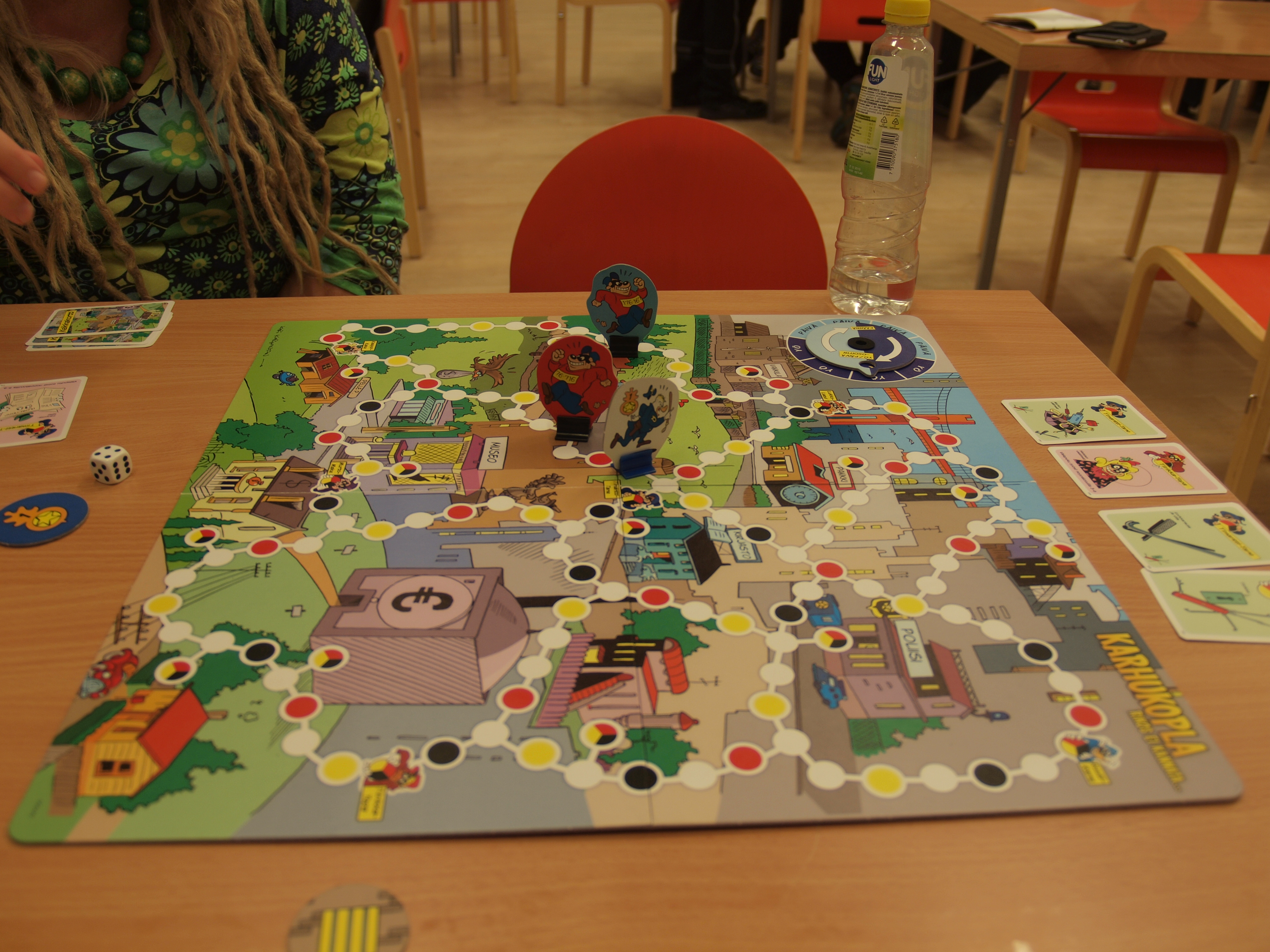
Below are five Disney games that fit family play especially well. The list mixes board-game-style play, party-game energy, and a few digital options that are easier to share across ages. For families who want a broader backdrop on why game-based play works, the mental health benefits of play are worth a look, and the CDC’s guidance on children and activity is a useful reminder that play time does not have to be sedentary every time.
Why family gaming is important
Family gaming is less about winning than about creating a repeatable setting for attention, cooperation, and small shared rituals. Research on play consistently points to benefits for social connection and communication, especially when adults join in instead of simply supervising from the side. A game can make it easier to talk, negotiate rules, and recover from a bad roll without turning the evening into a life lesson.
It also gives mixed-age groups a practical middle ground. Disney themes help because younger players often recognize the characters immediately, while older players still have enough strategy or unpredictability to stay engaged. If you want a quick primer on the idea that play supports learning and development, the overview of play as an activity is a reasonable starting point, and the Common Sense Media guides are useful for checking age fit before you buy.
Top 5 games for family play
1. Disney Villainous
Disney Villainous is one of the strongest family picks if your group likes clear themes and asymmetric play. Each player controls a different Disney villain with a unique objective, so the game rewards reading your own board rather than just copying someone else’s move. That gives quieter players a fair chance to think, while still creating enough interaction to keep the table awake.
Why it works for families: the rules are more involved than a card game, but the objectives are visible, and the Disney characters give everyone a shared reference point. Families who enjoy strategic competition tend to praise the game’s replay value, though reviews often note that the first play takes patience. That is not a flaw so much as a warning label.
2. Disney Codenames
Disney Codenames keeps the structure of the original word game but swaps in Disney and Pixar imagery. That makes it easier for younger players to connect pictures with clues, while still giving older players a reason to think carefully about language and association. The core loop is simple: give one clue, guess several related cards, and try not to reveal the wrong one.
Why it works for families: it creates natural conversation, and the best turns often lead to laughter instead of debate. It is also flexible, because you can shorten a round if the younger players are losing steam. A look at Codenames on BoardGameGeek gives a sense of how the format works in practice, and the Disney version keeps that structure familiar.
3. Disney Eye Found It!
Eye Found It! is a hidden-picture game built around movement, observation, and a race across Disney settings. It is well suited to children who enjoy visual searching and to adults who want a game that does not require deep rule study. Because players are scanning the board together, it feels cooperative even when the scoring is competitive.
Why it works for families: the gameplay is accessible, the Disney art gives it broad appeal, and the pace stays lively. It is a strong choice for households that want a less talk-heavy game but still want everyone at the table to contribute. Families often mention that the board itself becomes part of the fun, which is usually a good sign that the design is doing its job.
4. Disney Matching Game
A Disney-themed matching game may sound simple, and it is. That simplicity is precisely the point. Matching games work well for mixed ages because younger players can compete on memory and recognition without needing advanced reading skills, while older players can focus on speed and recall.
Why it works for families: short turns, easy setup, and low pressure. It is a good option for the first game of the night, or for families with children who need something brief and predictable. If your group has attention spans that come and go in waves, this is the sort of game that respects that reality instead of pretending otherwise.
5. Disney Speedstorm
For families that want something digital and more energetic, Disney Speedstorm offers kart-style racing with Disney and Pixar characters. The game is more competitive than the tabletop picks above, but it can still work well for families because everyone understands the objective immediately: race, improve, and avoid wrecking the evening over one bad corner.
Why it works for families: the controls are approachable, the presentation is bright, and the character roster gives each player a reason to pick a favorite. As with many racing games, age and skill gaps matter, so this works best when the family treats it as a casual event rather than a tournament with the dignity of a courtroom.
Features that make them family-friendly
- Cooperative or low-friction play: even competitive games feel better when the rules keep everyone active and involved.
- Age-appropriate content: Disney branding usually helps here, but it is still worth checking the recommended age range before buying.
- Clear goals: family games tend to work best when the next step is easy to understand.
- Recognizable characters: familiar faces reduce setup time and help younger players stay engaged.
- Flexible session length: short rounds make it easier to stop before the group gets restless.
If you want a neutral reference point for age ratings and content fit, the ESRB ratings guide is the right place to start for digital titles. For tabletop games, the publisher’s own age recommendation and a quick look at player reviews usually tell you enough to make a sensible decision.
Tips for enjoying gaming together
Set up the space first. Comfortable seating, enough light, and a table clear of snacks that can take down a card deck in one unfortunate moment all help. If the group includes younger children, explain the rules in one pass, then start playing. Too much front-loaded instruction can drain the energy before the first turn.
Encourage teamwork when the game allows it. Even in competitive games, families can talk through moves, explain choices, and celebrate small wins without turning the evening into a coaching session. Taking breaks also matters; shorter sessions usually keep the atmosphere friendlier than one long marathon that ends in fatigue and bargaining.
For families who like planning around a regular routine, the contact page is the best place to reach the site team, and the blog has more Disney game ideas if you want a longer list. The homepage remains the quickest path back to the main site if you are moving between articles.
User reviews and feedback
What players tend to praise most is not complexity but shared momentum. Reviews of Disney family games often mention that the characters help children stay interested, while adults appreciate that the games do not feel emotionally heavy. In practical terms, that means fewer arguments about theme and more time actually playing.
Common suggestions for improvement are predictable: some families want faster setup, others want simpler instructions, and digital games often prompt comments about matchmaking or skill balance. Those notes are worth reading before purchase, because they usually reveal whether a game is made for occasional family use or for players who will practice between sessions.
The useful takeaway is straightforward. If your goal is bonding, choose games that lower the barrier to entry, keep turns moving, and give different ages something meaningful to do. Disney has enough options to cover that range, and the best choice is usually the one your family will actually bring back next week.