Small wellness accessories can be easy to mail, but international shipping becomes smoother when I plan for packaging, customs wording, and buyer expectations before the first order goes out.
Readers usually arrive here with a few practical questions in mind:
- What is the safest way to package lightweight toe spacers for export?
- How should I describe the item on customs forms without overselling it?
- What shipping details reduce delays for buyers outside Canada?
This guide keeps the explanation plain, practical, and focused on next steps a visitor can actually use without sorting through noisy filler.
By the end, you should have a clearer framework for making a decision, checking the basics, and knowing what deserves a closer second look.
Key Terms to Know
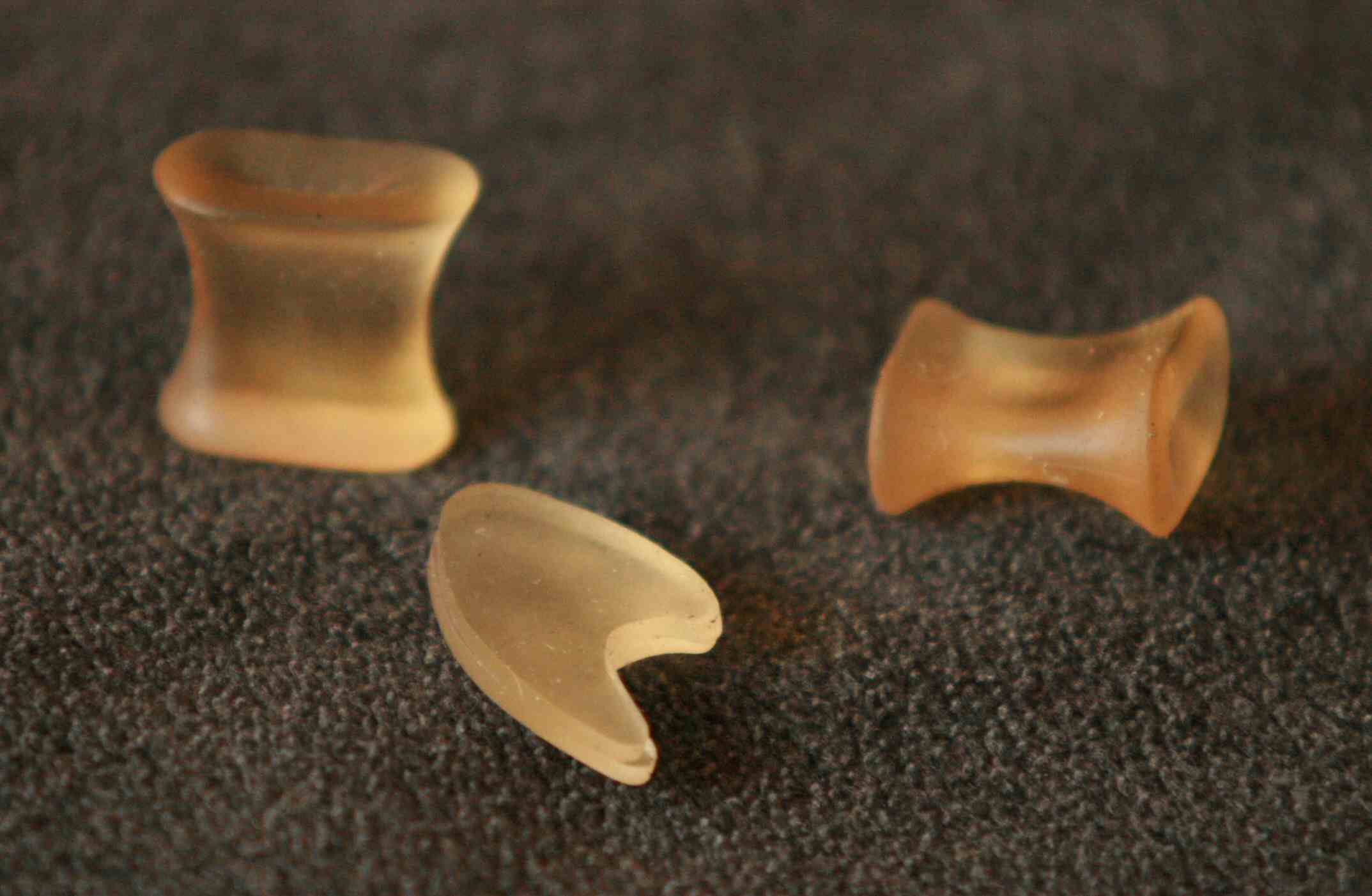
Toe spacers are small accessories used to separate toes for comfort, alignment, or post-activity recovery routines.
Customs description means the plain-language product label used on shipping paperwork.
Delivered cost means the total landed cost a buyer feels, including postage, taxes, and any handling fees.
Quick View
| Checkpoint | Why it matters |
|---|---|
| Sealed inner pouch | Keeps the product clean and easier to inspect. |
| Plain customs description | Reduces confusion at border processing. |
| Tracking option | Helps manage delivery questions and claims. |
| Size and weight check | Prevents underpaid postage and return delays. |
Package the product for hygiene and shape retention
Because toe spacers are lightweight and flexible, the most common problem is not breakage but compression, contamination, or poor presentation on arrival. A sealed pouch inside a mailer or small box usually solves most of that.
If the material can deform under heat or pressure, I prefer a slightly sturdier outer package and a short handling note for the buyer.
Use plain product language on customs forms
The cleanest approach is a direct description such as “silicone toe spacers” or “foot-care accessory.” That is more reliable than vague marketing language or medical-style claims that the product cannot support.
The declared value should match the actual sale price, and the quantity should match the package contents exactly. Simple paperwork prevents unnecessary review.
Set delivery expectations before checkout
International buyers mainly want predictability. Estimated transit times, tracking availability, return limits, and import-fee responsibility should be visible before they place the order.
That kind of clarity also reduces support requests and refund pressure once a package is already in transit.
Before shipping worldwide, it helps to confirm:
- Material and pack size
- Final parcel weight and dimensions
- Clear customs wording
- Tracking and return terms
Practical Wrap-Up
- Protect cleanliness and product shape in the package.
- Use accurate, simple customs descriptions.
- Make tracking and import-fee expectations easy to see.
For related reading, you can also browse the contact page and the blog.