The hardest pro audio purchases are often the supporting pieces, because the gear looks secondary until one weak link starts introducing noise, friction, or setup delays.
Readers usually arrive here with a few practical questions in mind:
- What counts as “other” pro audio equipment beyond speakers and mixers?
- How do I prioritize accessories and routing gear without overspending?
- Which details matter most for reliability in real setups?
This guide keeps the explanation plain, practical, and focused on next steps a visitor can actually use without sorting through noisy filler.
By the end, you should have a clearer framework for making a decision, checking the basics, and knowing what deserves a closer second look.
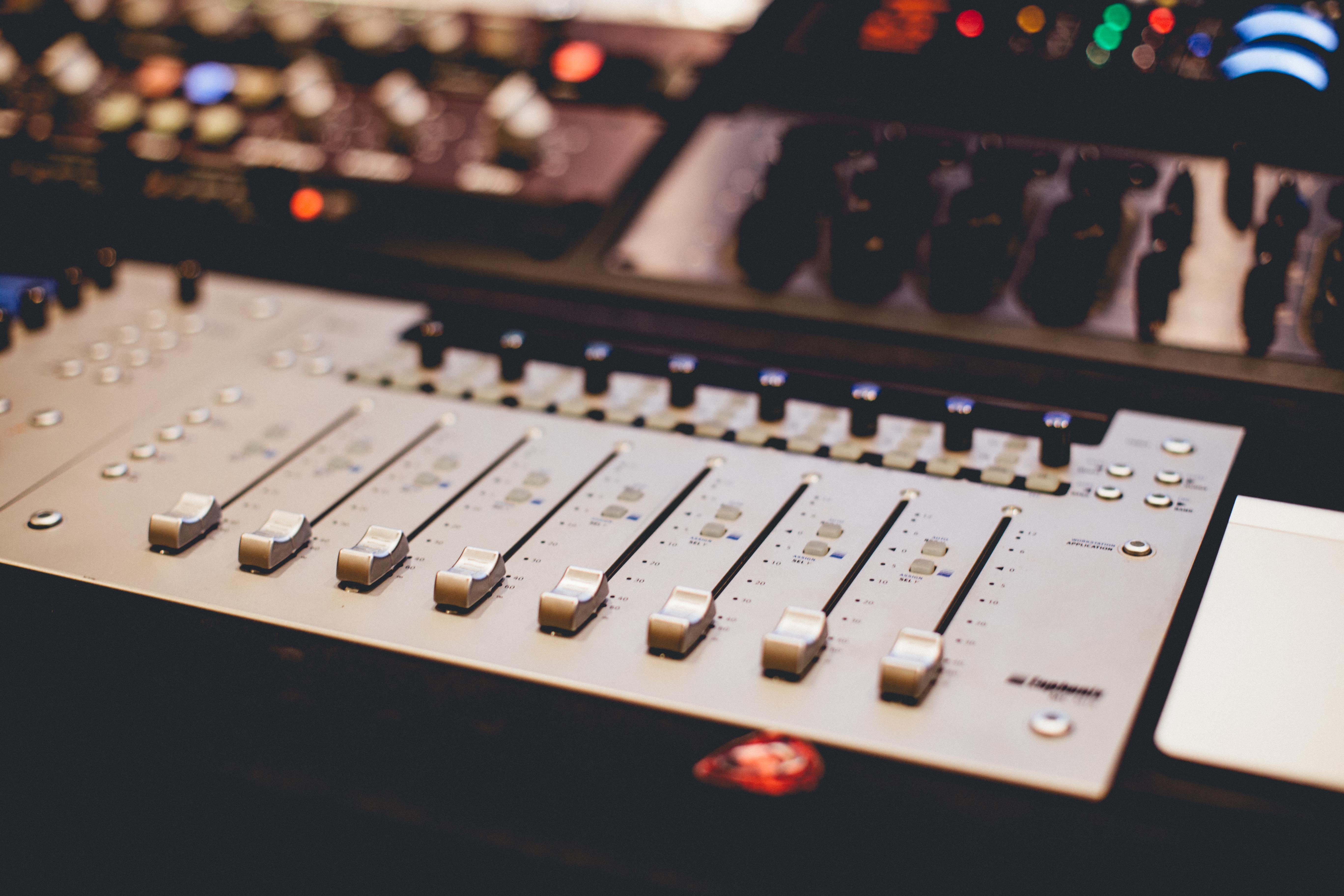
Key Terms to Know
Supporting pro audio equipment includes the routing, monitoring, mounting, and accessory hardware that keeps a system practical.
Signal flow is the path audio takes from source to processing to output.
Reliability means the gear can be set up, transported, and used repeatedly without creating failures or confusion.
Quick View
| Gear area | What to check |
|---|---|
| Signal routing | Connections, adapters, and compatibility across the chain. |
| Monitoring and control | Whether users can hear and adjust what matters quickly. |
| Build quality | Cable strain relief, knobs, connectors, and case strength. |
| Use case | Studio, DJ, rehearsal, mobile event, or installed system. |
Map the signal path before buying extras
I like to sketch the path from source to output before buying accessories. That instantly shows which adapters, splitters, controllers, stands, or DI tools are genuinely needed and which purchases are just reacting to catalog categories.
A clean signal-flow map often saves more money than chasing bargains one item at a time.
Buy for reliability, not only for specifications
In working audio setups, connectors, physical durability, cable management, and speed of setup matter as much as spec sheets. A modest accessory that survives transport and plugs in fast can be more valuable than a flashy item with a narrower real-world role.
That is especially true for mobile or shared environments where gear is handled by many people over time.
Useful evaluation questions include:
- Will this simplify the signal path or complicate it?
- Can the connectors survive repeat setup and teardown?
- Is the item easy to label, store, and transport?
- Does it solve a recurring workflow problem?
Keep the equipment list serviceable
A good pro audio kit is not only functional on day one; it stays understandable six months later. Clear labeling, spare cables, and a small set of trusted supporting tools usually outperform a large pile of one-off accessories.
That makes troubleshooting faster and helps the whole system stay consistent when a venue or session changes quickly.
Practical Wrap-Up
- Map the signal path before shopping accessory categories.
- Prioritize durability and workflow reliability.
- Build a small, understandable support kit instead of a random pile of gear.
For related reading, you can also browse the blog and the contact page.