Hidden gems in Disney’s online games are usually not the loudest titles; they are the ones that reward a little curiosity. If you have ever asked yourself which Disney game is actually worth a few quiet minutes, why one title feels more replayable than the one beside it, where the playable version still lives, or how to tell a genuine gem from a forgettable tie-in, you are asking the right questions.
Walt Disney is often credited with saying, “If you can dream it, you can do it.” The useful version of that idea here is simpler: if you are willing to look beyond the obvious hit titles, Disney’s online catalog still has plenty of small, satisfying surprises. The current DisneyNOW and Disney Junior hubs make that easy to verify because they still surface short-form, play-focused entries alongside the bigger franchise names, and Disney’s own main site still presents games as part of its wider digital mix. Disney Junior on DisneyNOW and Disney’s main site are the fastest places to start if you want to see what is live now.
That matters because the best hidden gems are often not the newest releases. They are the short, approachable, slightly underpromoted pieces that still hold up because the loop is clear, the theme is charming, and the entry barrier is low. In other words, the catalog may be bigger than the handful of titles most people recognize, but the extra value is hidden in plain sight.
By the end of this guide, you will know how to spot those titles, which five Disney entries are worth trying first, and where to find them without wasting time in dead ends. If you want more Disney game roundups after this, the blog is the natural next stop, and the About page explains the site’s focus in plain terms.
What counts as a hidden gem?
For this article, I am using a practical definition rather than a marketing one. A Disney hidden gem is a game, game-like short, or play-focused entry that is easy to miss but still worth time because it offers a clear mechanic, a strong theme, or a surprisingly polished experience for the time it asks of you. A title can be a hidden gem even if the brand is familiar; the point is that the specific game is not the one most people would name first.
| Term | What it means here | Why it matters |
|---|---|---|
| Hidden gem | A title that is easy to overlook but rewarding once you try it. | Helps separate real value from brand recognition. |
| Play-focused short | A short DisneyNOW or Disney Junior entry built around a simple activity, challenge, or prompt. | These are often the best low-commitment discoveries. |
| Hub page | A show or category page that gathers related shorts in one place. | Useful when the individual game is not easy to search directly. |
| Replay value | The reason someone would come back after the first session. | A hidden gem should still feel worth revisiting. |
The important part is not prestige. It is usefulness. A title can be small, short, or even aimed at younger players and still be a hidden gem if the play loop is satisfying and the access path is still open.
The criteria I used to choose the list
I did not build this list by popularity alone. I used five practical filters that a reader can repeat later if they want to keep finding more titles on their own.
- Current availability: the page or hub is still live and accessible now.
- Low-friction access: you can reach the title without chasing old archive links or broken menus.
- Distinctive loop: the game has a clear action, not just a generic branded wrapper.
- Disney character fit: the theme feels like a natural extension of the property, not an afterthought.
- Replay potential: it still sounds fun after the first explanation.
That last point matters more than people admit. A hidden gem is not hidden because it is obscure alone; it is hidden because it rewards a second look. Disney’s better play shorts usually do that by keeping the rules simple enough for a quick session and the theme familiar enough to feel inviting.
For readers who want a broader map of current Disney destinations, it also helps to check the official DisneyNOW home page and the Disney Junior show hub before you start searching title by title. Those pages show what is live now, which is the basic test any hidden-gem list should pass.
For teams or editors who like to keep a running shortlist, a neutral resource such as AI consulting services is more relevant to organizing a simple tagging or review workflow than to games themselves, but the underlying habit is the same: keep one clean place for the titles you want to revisit later.
Five Disney hidden gems worth trying first
These are not the only worthwhile entries. They are the ones that best fit the hidden-gem test right now: accessible, short, and a little more interesting than their placement in the catalog might suggest.
1. Play Break with Spidey and his Amazing Friends
Play Break with Spidey and his Amazing Friends is one of the clearest examples of a title that looks modest until you open it. The pitch is immediate: run, jump, and duck while helping Spidey and his friends save the city from the Green Goblin. That makes it easy to understand in one glance, which is exactly what a short Disney play entry should do.
Why it belongs on a hidden-gem list is simple. It is current, self-contained, and action-oriented without becoming complicated. A lot of browser-friendly Disney content asks for patience. This one asks for movement. That difference is enough to make it feel alive.
Best for: quick sessions, younger players, and anyone who wants a game-like entry that starts immediately.
2. Playdate with Winnie the Pooh
Playdate with Winnie the Pooh is less a single one-off game than a current hub for gentle, play-centered shorts. That actually helps its hidden-gem status. You can enter through the show page, then follow the playful episode titles from there: “Piglet Plays Tag,” “Kanga Plays I, Spy,” and “Eeyore and the Flying Disc” all suggest small activities with a clear start and finish.
This is the kind of entry many people skip because it looks too soft or too preschool-oriented. That is a mistake. The best hidden gems are sometimes the ones that understand pace better than ambition. Pooh content tends to be calm, readable, and easy to share with younger players without a long tutorial.
Best for: families, very short play windows, and readers who prefer low-pressure interaction.
3. Me & Mickey
Me & Mickey is a good reminder that hidden gems are not always hidden because they are strange. Sometimes they are hidden because they are spread across many small pieces. The show page includes activity-style shorts such as “Mickey’s Guessing Game,” “Search and Find,” and several sports-themed prompts that feel close to mini-games even when they are delivered as short videos.
That structure makes the page useful for discovery. Instead of trying to find a single big release, you get a cluster of tiny play ideas. If you like game loops that are easy to repeat or compare, this is one of the best places to start on DisneyNOW. It also has the advantage of a character set almost everyone recognizes, which lowers the risk of the entry feeling too niche.
Best for: players who want a familiar character, short formats, and a mix of guessing, movement, and search-and-find style prompts.
4. Chibiverse
Chibiverse is one of the stronger candidates for a hidden gem because it turns multiple Disney properties into a game-show format. The episode “The Chibi Quiz Challenge” is the obvious entry point, but the broader show page also suggests a playful format built around challenges and quick reactions rather than passive viewing.
That game-show energy matters. A lot of Disney’s online offerings are gentle and linear. Chibiverse has a little more edge because it uses a quiz structure, which naturally pulls the viewer into participation. Even when it is not a traditional game in the browser sense, it behaves like a game in the way it asks you to think and answer quickly.
Best for: fans who like trivia, character crossovers, and a slightly more competitive feel.
5. Me & Mickey: Mickey’s Guessing Game
If you want a single activity that behaves most like a classic mini-game, Mickey’s Guessing Game is a strong candidate. The setup is direct: Mickey has a new game to share, and the viewer is asked to guess who or what he is thinking of. It is a small idea, but that is the point. Good hidden gems often succeed by doing one thing cleanly.
The payoff here is the interaction itself. Guessing games create a natural pause, a moment to think, and then a quick check of whether you were right. That makes the short memorable, especially for younger viewers or anyone who wants a simple family-friendly activity instead of a long game session.
Best for: players who prefer wordplay, guessing, and very low setup time.
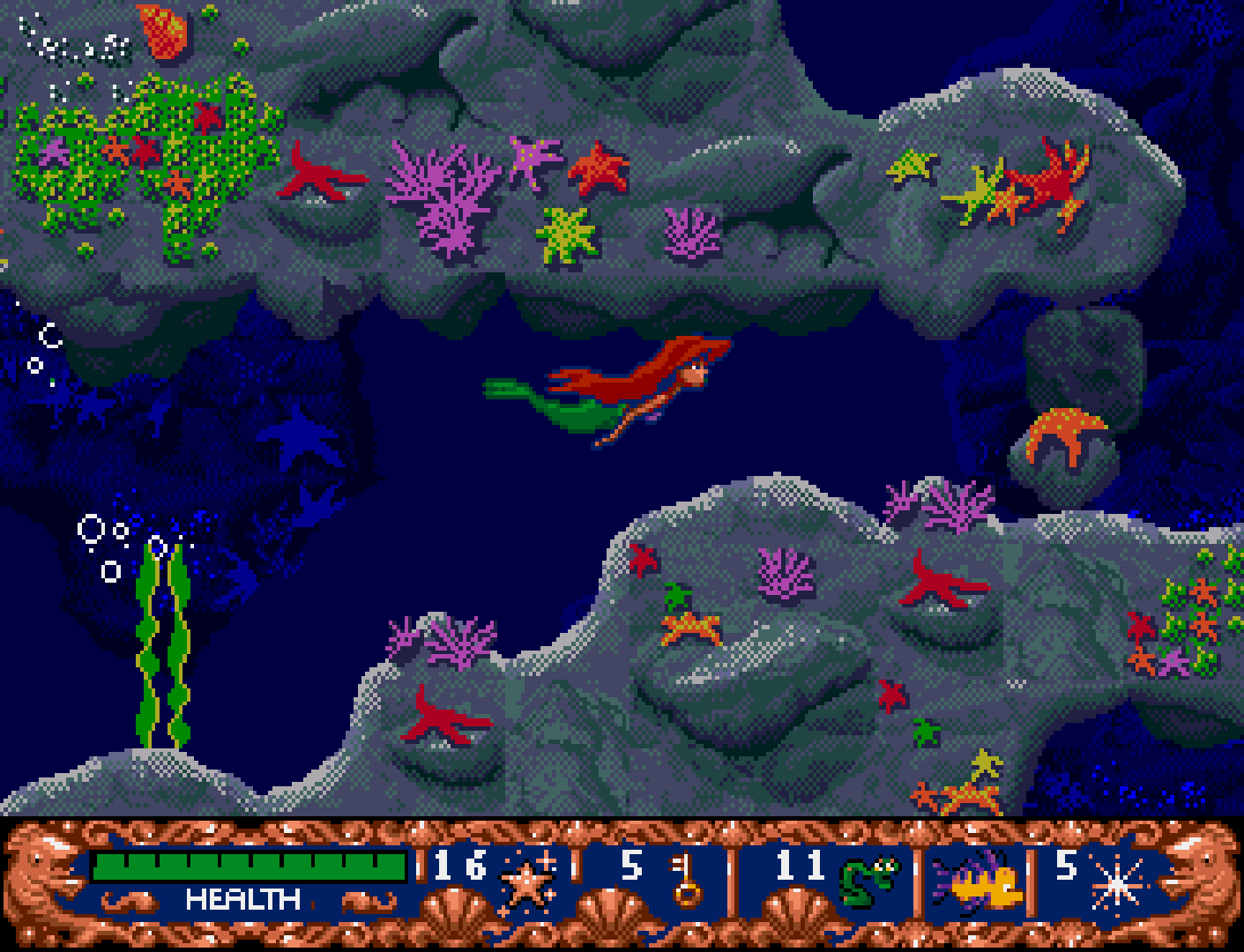
6. Disney Jr. Ariel – The Little Mermaid: The Goldfish / Pufferball!
The Goldfish / Pufferball! is a good example of a title that is easy to skip if you only scan for obvious game branding. The description makes the play angle clear: Ariel helps her new friend Delroy find a game he can play. That is enough to matter here. It is not a loud arcade title; it is a small, character-driven entry with an actual play prompt at the center.
Why does this belong on a hidden-gem list? Because it shows the catalog’s quieter side. Some of Disney’s most interesting online play content does not present itself as a “game” in big letters. Instead, it tucks the interaction into a story, which is exactly why casual browsers miss it.
Best for: readers who like game-adjacent story shorts and Disney Jr. characters.
How to find more hidden gems without guessing
Once you know what to look for, the discovery process becomes much easier. I usually start with the official DisneyNOW Disney Junior hub, then scan for titles that contain verbs such as play, guess, find, search, quiz, or race. Those words are often the best clue that a short is more interactive than the average episode card.
After that, I move one step outward: show pages first, then individual shorts, then the broader Disney site if I want context around the brand or franchise. That order saves time because it follows the structure Disney itself uses. It also keeps you from wandering into stale links or unrelated pages that happen to rank well.
- Start at the Disney Junior or DisneyNOW hub.
- Look for titles with active verbs or obvious play language.
- Open the show page when the title seems promising.
- Scan the episode list for guess, quiz, search, play, or challenge wording.
- Bookmark the pages that hold up after one session.
If you want the simplest possible rule, use this one: a hidden gem should be obvious once you find it, but not obvious before you look. That sounds almost too simple, which is usually a sign the rule is working.
For a broader official overview, the main Disney site is useful because it still presents games as part of the larger Disney ecosystem, while the Disney Junior section on DisneyNOW is where the play-focused titles are easiest to scan. Between those two, you can usually tell whether a title is a live option or just a memory from an older layout.
Where to find and play them
The short answer is that most of these hidden gems now live on DisneyNOW and its Disney Junior or Disney XD show pages. That is the platform to check first because it is where the current short-form entries are still organized. When a title has a better chance of being worth your time, it usually has a clean show hub behind it.
Here is the practical breakdown:
- For short play-focused entries: use DisneyNOW episode pages such as Play Break with Spidey and his Amazing Friends.
- For clustered mini-activities: use show pages like Me & Mickey or Playdate with Winnie the Pooh.
- For quiz or challenge formats: look at Chibiverse.
- For story-led play prompts: open entries such as The Goldfish / Pufferball!.
One more useful habit: if you are curating a list of favorites for family members or a fan site, keep notes on what each entry actually does. A game with a guessing mechanic feels different from one that is mostly a search-and-find activity, even if both are only two minutes long. That is the kind of detail that helps you find the next hidden gem faster than a generic “best of” list ever will.
Why this method works better than random browsing
Random browsing usually fails for the same reason most “best of” lists fail: it starts with popularity and ends with repetition. If you already know the famous titles, a list that simply restates them gives you little new value. The approach in this guide is different. It starts with access, then checks whether the title has a real play loop, and only then asks whether it feels memorable enough to revisit.
That order matters because Disney’s current digital catalog is not organized like a single arcade cabinet. It is spread across hubs, show pages, shorts, and character collections. Once you accept that structure, hidden gems become easier to see. A page that looks small from the outside may actually hold several short activities, and a title that looks like a show may hide the best interactive moment in the description or the episode list.
There is also a practical reason to keep the search method simple. Most readers are not trying to build a research archive. They want a good title, a working link, and a quick sense of whether the game is worth the time. The criteria in this article are designed for that exact use case. They are strict enough to filter out dead weight, but not so strict that they miss the quiet stuff that makes Disney’s online catalog interesting in the first place.
Key takeaways
- Hidden gems are the Disney titles that reward attention, not just name recognition.
- The best current leads are often on DisneyNOW and the Disney Junior hub.
- Look for words like play, guess, quiz, find, and search in titles.
- Short-form entries can still be worthwhile if the mechanic is clear and repeatable.
- Use the live show hub first, then drill down to the most promising shorts.
If you want the honest conclusion, it is this: Disney’s online catalog still has hidden gems, but they are easier to notice when you stop looking for the biggest title and start looking for the clearest play pattern. That shift does most of the work. The rest is just picking a page and pressing play.