If you love Disney stories and want games that let you step inside them, this list is the easiest kind of good news.
When people search for Disney games inspired by movies and shows, they are usually asking a handful of very practical questions at once: Which games feel closest to the original story? Which ones are fun without being too demanding? Which titles are better for a solo evening and which are better for family time? And, if they are planning ahead, which games are worth bookmarking instead of just admiring for nostalgia? That is the real job of this guide.
Two useful references frame the whole idea nicely. The official Disney Dreamlight Valley page shows how deeply Disney can build a game around familiar characters and settings, while the long-running Kingdom Hearts franchise shows how far that idea can stretch when Disney worlds are woven into a larger adventure. The appeal is simple: the stories people already love become places they can move through, solve, and revisit.
If you want more Disney browsing after this, the homepage is the quickest route back to the main game hub, the blog keeps the newest articles in one place, and the about page gives a short explanation of the site and what it is here to do.
A Few Quick Terms
Before we get into the list, here is the small glossary I use in this article. Story-driven means the game leans on characters, places, and familiar plot energy. Platformer means a game built around jumping, timing, and movement through levels. Crossover means a game that pulls characters or worlds from more than one Disney property. Cozy game means a slower, gentler experience that favors collecting, decorating, or light tasks over pressure-heavy competition.
That vocabulary matters because Disney games do not all try to do the same thing. Some of them ask you to relive a film beat by beat. Others give you a looser world built out of Disney feeling rather than one exact storyline. A good list should make that difference easy to see, not bury it under hype.
Top 5 Disney Games Inspired by Movies and Shows
| Game | What it borrows | Best for | What players usually enjoy |
|---|---|---|---|
| Disney Dreamlight Valley | Disney and Pixar characters, homes, and village life | Calm play sessions and daily check-ins | Relaxed collecting, decorating, and gentle story moments |
| Kingdom Hearts | Disney films, characters, and worlds inside a larger adventure | Big story fans and action RPG players | The sense of wandering through beloved Disney spaces |
| Epic Mickey | Mickey Mouse history, classic animation, and Disney imagination | Players who like atmosphere and platforming | The artsy tone and the feeling of stepping into Disney folklore |
| DuckTales Remastered | The DuckTales TV series and its treasure-hunt spirit | Retro fans and families | Fast platforming, humor, and a strong sense of adventure |
| The Little Mermaid | The 1989 film and Ariel’s underwater world | Short sessions and classic movie fans | Simple, colorful action and a very recognizable storybook setting |
If you keep a little checklist of favorite games, replay notes, or family preferences, a web app generator can be a practical way to turn that kind of list into a simple tracker. That is not part of the Disney magic. It is just a useful place to keep the next step.
1. Disney Dreamlight Valley
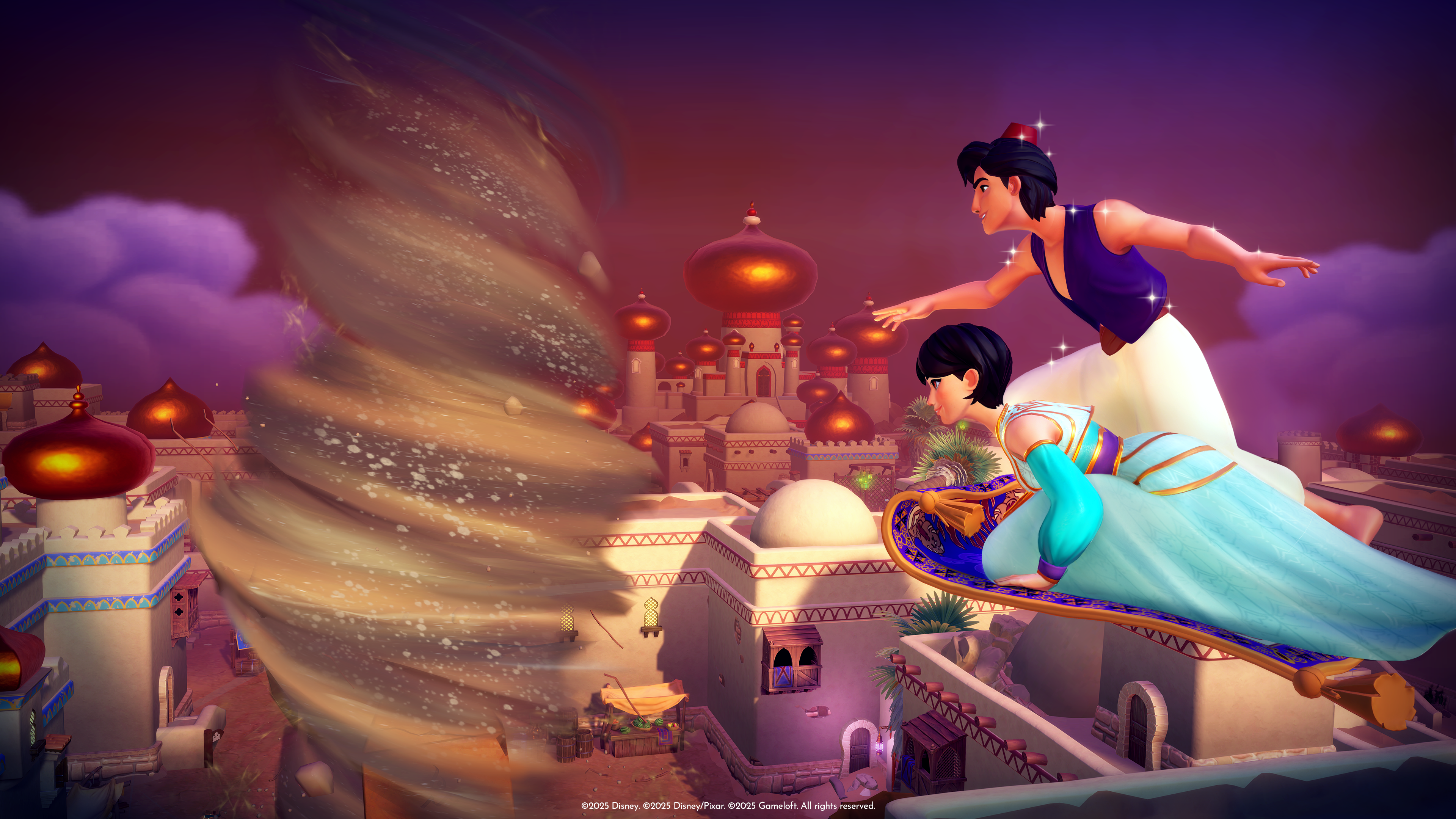
Disney Dreamlight Valley is the easiest modern example of Disney storytelling turning into a game you can live in. Instead of dropping you into a strict retelling of one movie, it builds a shared village where familiar Disney and Pixar characters can settle in, talk to you, and slowly reconnect with one another. That structure matters. It gives the game room to be warm, open-ended, and a little bit restorative.
What the game borrows from the movies and shows is not just the faces of the characters. It borrows the feeling of their worlds. A player may move from a frozen castle mood to a brighter, more playful corner of the valley, and the transition feels like moving between stories rather than just levels. That is the secret strength of the game: it lets Disney characters keep their personality without forcing them into one narrow genre box.
Players tend to respond well to the game’s pacing. There is no rush to master it in one sitting. You can tend a garden, decorate a house, unlock a new friendship scene, and stop there if that is enough for the evening. For many people, that is the appeal. It feels generous. It lets you play in a way that fits your energy level, which is exactly what a good comfort game should do.
- Why it connects to Disney stories: it builds a neighborhood out of beloved characters and the moods of their worlds.
- Why players keep coming back: the game is easy to dip into, and progress feels pleasantly steady.
- Best family note: it is a strong choice when you want something that feels calm instead of competitive.
2. Kingdom Hearts
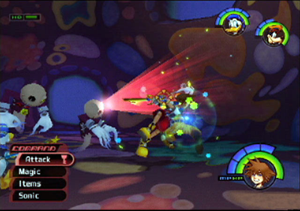
Kingdom Hearts is the classic crossover example. It takes Disney characters, Disney worlds, and Disney emotional stakes, then folds them into a larger action-adventure story. That combination sounds strange on paper. In practice, it is one of the reasons the series became so sticky. The player is always balancing two pleasures at once: the comfort of a familiar Disney setting and the surprise of seeing that setting pulled into a bigger quest.
What connects it to the movies and shows is the way it treats those worlds with real affection. You are not just visiting a place that looks vaguely Disney-shaped. You are moving through spaces that feel tied to specific characters and scenes, and the game expects you to notice the difference. That attention to detail is a gift to fans. It makes the whole thing feel like a guided tour through memory, but with better combat and more boss fights.
Player experiences vary because the series is broad, but the most common praise is easy to understand. People love the scale. They love the emotional music cues. They love the way a familiar Disney face can show up in the middle of a serious adventure and make the whole world feel softer for a moment. The tone can get busy, yes, but it is busy in a way that still feels affectionate.
- Why it connects to Disney stories: it builds an original adventure out of Disney worlds, characters, and emotional references.
- Why players keep coming back: the series makes every world feel like an event.
- Best family note: it is a stronger fit for older kids and adults who already know a few Disney properties well.
3. Epic Mickey
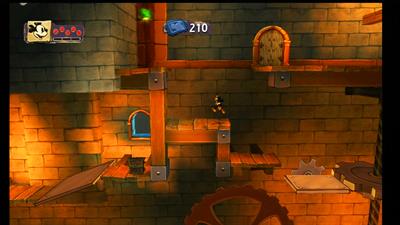
Epic Mickey is built around a different kind of Disney connection. It is not trying to be a retelling of a film or a television episode. Instead, it borrows from the larger history of Mickey Mouse and the company’s early animation identity. That gives the game an older, more storybook mood. It feels like a place where forgotten sketches, old legends, and classic imagery can all live in one game world.
That approach changes the way players experience it. The game has a stronger sense of mood than most straightforward platformers. You are not only moving through levels; you are moving through a version of Disney history that has been slightly reimagined, sometimes whimsical and sometimes a little eerie. The result is memorable because it feels less like a product built from a movie license and more like an invitation to wander through the company’s imagination.
People who enjoy Epic Mickey often talk about atmosphere first. They remember the art direction, the way the world feels layered, and the satisfaction of solving problems in a setting that constantly nods to Mickey’s place in Disney culture. It is a good pick for players who want a Disney game that is still playful, but a little moodier and more reflective than the average tie-in title.
- Why it connects to Disney stories: it builds its world from Disney’s broader animation legacy and Mickey’s history.
- Why players keep coming back: the tone feels distinctive and artistic.
- Best family note: it works especially well for players who like platforming with a little mystery in the mix.
4. DuckTales Remastered
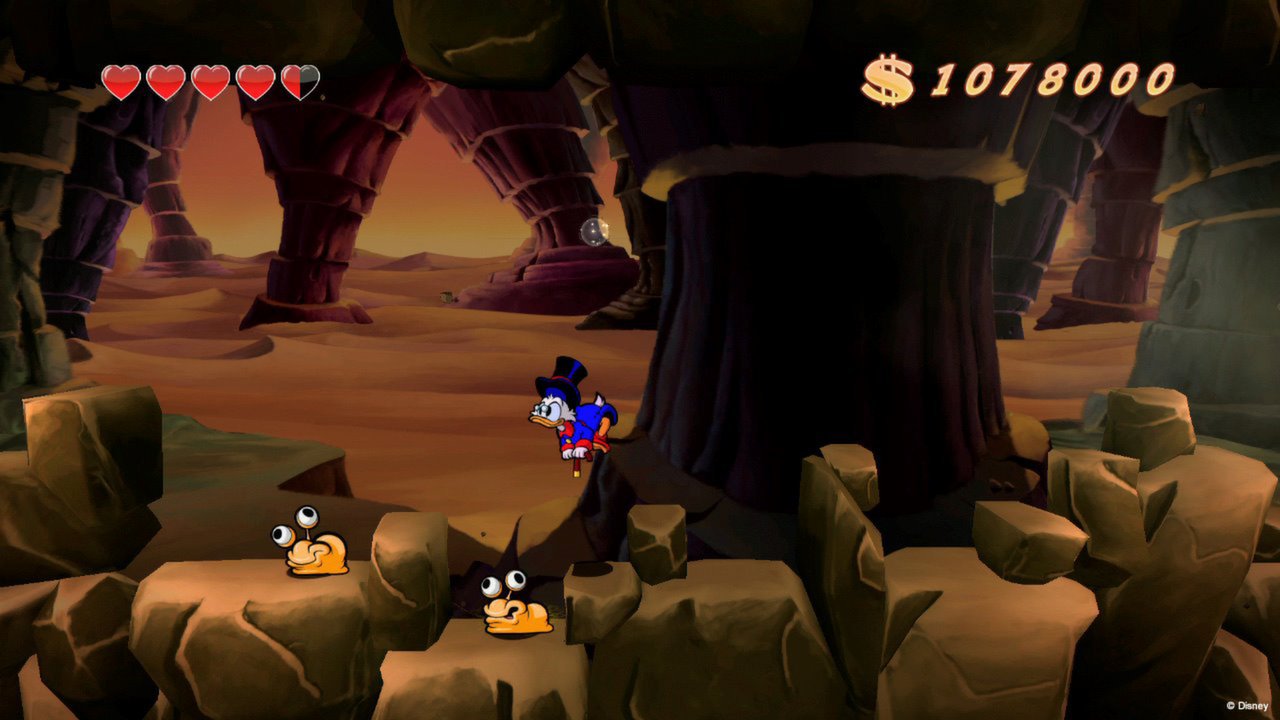
DuckTales Remastered is one of the cleanest examples of a Disney show becoming a game that still feels lively decades later. The source material is the DuckTales television series, but the game does not simply rest on its nostalgia. It turns that show’s treasure-hunting energy into a platform adventure with pace, humor, and a clear sense of forward motion.
What it borrows from the show is easy to name: the adventurous tone, the familiar personalities, and the sense that every level should feel like a small expedition. Scrooge McDuck is still the heart of it all. He is stubborn, funny, and always half a step away from a money-related obsession, which is exactly the kind of cartoon logic this game needs. When the game works well, it feels like the show translated into motion rather than just into a menu screen.
Players tend to appreciate DuckTales Remastered for the same reason families liked the series in the first place. It is readable. It has rhythm. It does not waste time pretending to be more complicated than it needs to be. If you want a Disney game that is easy to explain to a younger player while still being fun for an adult, this is one of the best choices on the list.
- Why it connects to Disney stories: it turns a beloved TV show into a clear, energetic platform adventure.
- Why players keep coming back: the humor and movement feel clean and satisfying.
- Best family note: it is one of the strongest “play together and talk over it” titles on the list.
5. The Little Mermaid
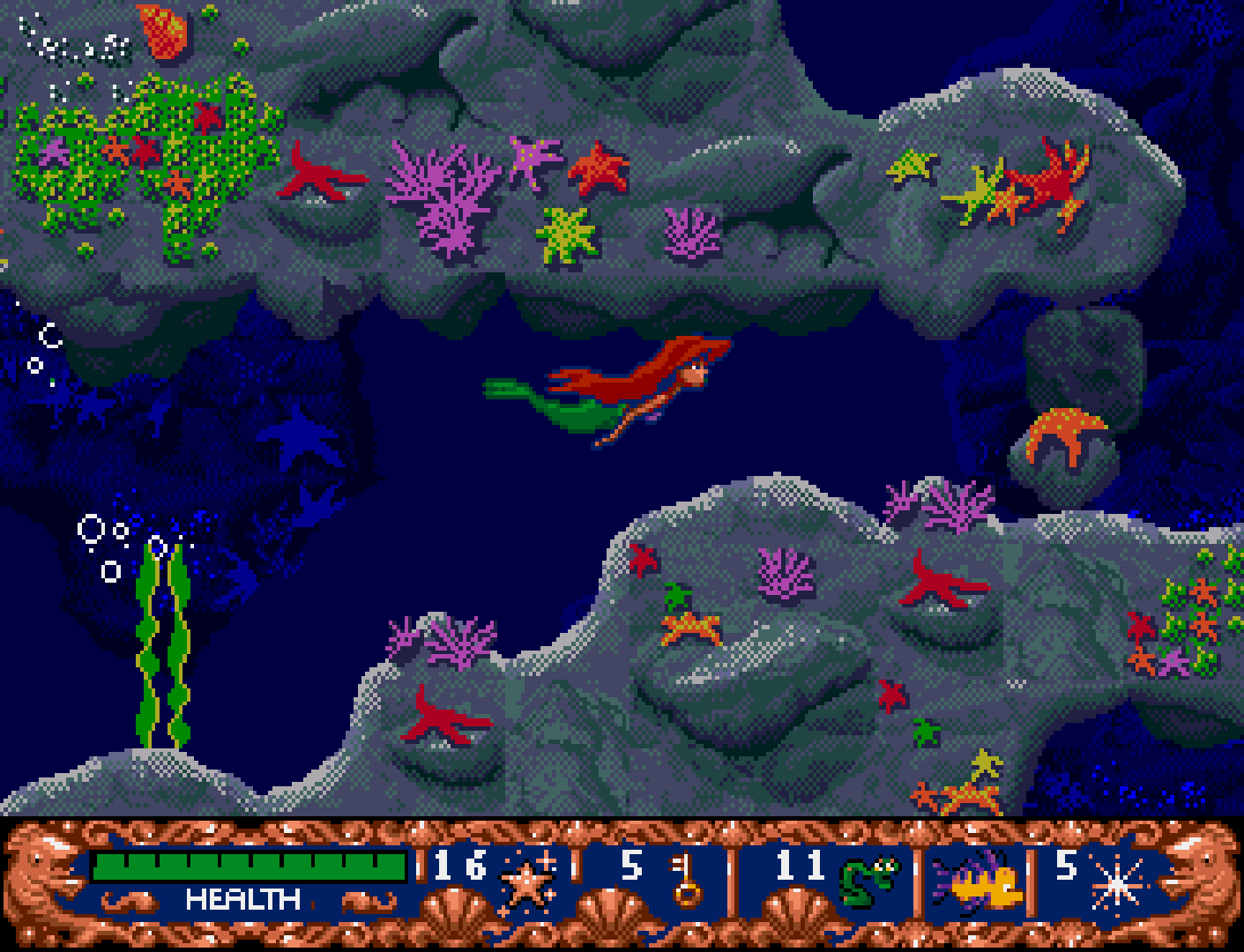
The Little Mermaid game is one of the most direct film adaptations on the list. It takes one of Disney’s most recognizable movie worlds and turns it into an action game built around Ariel’s underwater setting. The story connection is immediate. You do not need a long warm-up. You know the movie, you know the character, and the game invites you to step right back into that world.
What makes it interesting is how compact it feels. The game is not trying to build a giant open world or an elaborate shared universe. It is trying to capture the feeling of moving through an Ariel story, with all the bright color and ocean motion that implies. That makes it particularly pleasant for players who want something they can understand quickly and revisit without much friction. It feels like a bedtime story that learned how to jump.
For player experience, the biggest strength is also the simplest one: it is easy to recognize. The music, the character, and the undersea setting all work together in a way that gives the game a lasting identity. Fans of the film usually respond to that instantly. Younger players often like it because the premise is easy to follow. Adults often like it because the nostalgia arrives politely and then stays awhile.
- Why it connects to Disney stories: it adapts a classic film into an accessible action game.
- Why players keep coming back: it is short, colorful, and familiar in the best way.
- Best family note: it is a great “one more level” game for mixed-age play.
What Players Usually Notice First
When I step back from the five titles, the pattern is easy to see. Disney games inspired by movies and shows work best when they decide what kind of comfort they are offering. Some, like Dreamlight Valley, are about living inside a familiar world at an easy pace. Others, like Kingdom Hearts, use those worlds as fuel for a bigger quest. Epic Mickey gives you atmosphere. DuckTales Remastered gives you momentum and humor. The Little Mermaid gives you a direct, recognizable story in a compact package.
That variety is why players keep returning to Disney games even when they already know the stories. Familiarity is not the whole appeal. The games also create a safe place to notice details you missed in the movie, or to enjoy a character you liked without needing to keep up with a full film runtime. That is why these titles travel well across ages. A child may enjoy the characters first. An adult may notice the design choices first. Both can be right at the same time.
If you are choosing for a family night, the simplest advice is to match the mood, not just the brand. Want calm and cozy? Start with Dreamlight Valley. Want action and a deeper story? Try Kingdom Hearts. Want something older and more artful? Epic Mickey is the stronger fit. Want a show-based platformer with a playful tone? DuckTales Remastered is the easy pick. Want a classic film adaptation that is easy to explain? The Little Mermaid keeps the setup simple.
A Note on Playing Together
Not every Disney game on this list is built for online multiplayer, and that is fine. Some of the best game nights are not about passing a controller back and forth in a strict pattern. They are about one person playing while someone else points out a hidden door, another person remembers the movie scene, and everybody has a slightly different memory of the same boss fight. That kind of shared play still counts. It is just a little softer than matchmaking.
For readers who do want the social part to be more organized, the useful question is not “Can this game support every kind of play?” The question is “What kind of sharing feels natural here?” Dreamlight Valley is easy to talk through. Kingdom Hearts is easy to watch like a mini-adventure. Epic Mickey invites commentary because of its art style. DuckTales Remastered is made for laughing and reacting. The Little Mermaid is ideal when you want a short session that still leaves room for conversation afterward.
That is the practical heart of Disney gaming. These titles are not just games you play alone; they are often games you remember with other people. That memory is part of the experience, and in Disney’s case, it is usually the part that lasts the longest.
Conclusion
My short version: if you want Disney games that genuinely carry movie and show energy into play, start with Disney Dreamlight Valley for cozy character life, Kingdom Hearts for the biggest crossover adventure, Epic Mickey for atmosphere, DuckTales Remastered for retro fun, and The Little Mermaid for a compact classic adaptation. Each one translates Disney storytelling in a slightly different way, and that is the real reason the list works.
If you want to keep exploring, the blog has more themed reading, and the about page is the quickest way to understand the site’s approach. If you already have a favorite Disney game from this list, or one you think should have made the cut, gather the title and the reason it matters to you. That is usually the best place to begin a good recommendation.
Key takeaways: Disney games work best when they preserve the feel of the original story, player reactions are strongest when the game matches the right mood, and the most enjoyable picks are usually the ones that invite you to play a little, talk a little, and come back later without pressure.