Screen time is not evil. It is also not a baby-sitter, a reward system, a personality transplant, or a substitute for sleep. The problem is rarely gaming itself. The problem is what gets squeezed out when gaming becomes the default setting for the whole day.
If the day still includes homework, movement, meals, and actual human contact, the balance is probably fine. If the day is a blur of snacks, buttons, and negotiations that sound like hostage talks, the schedule is doing the damage, not the console.
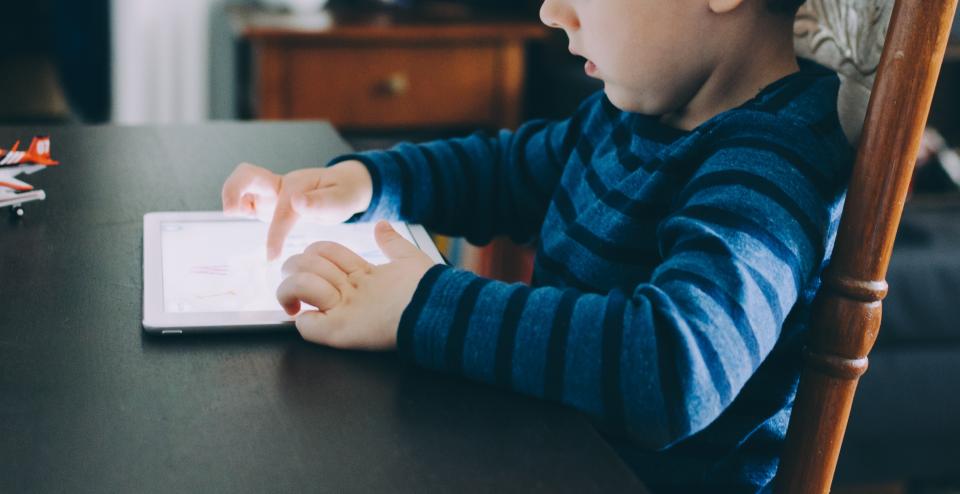
Why balance matters
Gaming can be harmless, useful, and even educational. It can also crowd out the boring but necessary parts of childhood: sleep, reading, movement, chores, and the occasional conversation that is not about a game. The American Academy of Pediatrics’ Family Media Plan exists for a reason. So does its newer 5 C’s media guidance: parents need a framework, not a vague hope that kids will self-regulate because the house feels inspirational.
The CDC also recommends that children and adolescents get at least 60 minutes of physical activity a day. The WHO says the same thing in different packaging: kids need regular movement, not just thumb exercises and chair imprints.
Set limits that survive contact with reality
Rules only work when they are simple enough to remember and boring enough to enforce. If you need a spreadsheet and a committee meeting to explain the gaming schedule, the system has already escaped.
Start with three things:
- Pick a clear daily window. For example, games start after homework and chores, not before them.
- Use a timer. A kitchen timer, phone timer, or built-in console limit beats repeated verbal warnings. The warning phase is where everyone starts lying.
- Put the rule in writing. A family note on the fridge is more useful than a memory that changes whenever the child remembers a new favorite game.
If the rule has to live in four places and still gets missed, you do not have a discipline problem so much as a workflow problem; business teams often fix that with AI integration services, while families usually fix it with one calendar and one timer.
| Situation | Better rule | Why it works |
|---|---|---|
| Weeknight gaming | Play after homework, before dinner or with a set end time | Stops the game from eating the whole evening |
| Weekend gaming | Longer play is fine, but still bounded | Makes the limit flexible without becoming useless |
| Bedtime | Devices off before sleep | Sleep is not optional, despite what the game lobby says |
For a practical parenting checklist, the CDC’s physical activity guidelines and the WHO’s physical activity fact sheet are useful because they keep the focus on daily movement, not on arguing with a screen for sport.
Use Disney games positively
Disney games are not automatically better than other games. They are only useful when they support something besides endless repetition. The good ones can encourage pattern recognition, reading, puzzle solving, creativity, and turn-taking. The less useful ones can still be fun, but fun alone is not a life strategy.
Look for games that do at least one of these:
- Ask kids to read instructions or follow story clues.
- Reward problem-solving instead of pure grinding.
- Encourage creative building, drawing, or design.
- Make room for cooperative play instead of pure isolation.
If you want a kid-friendly starting point, this site’s Disney games for kids guide is a better filter than letting the app store decide your family’s values for you.
Replace screen time, do not merely subtract it
People love to announce screen-time limits and then act surprised when the child behaves like a tiny hostage negotiator. If you remove gaming without replacing it, you have not built balance. You have built a complaint generator.
Try swapping in a few reliable alternatives:
- Outdoor play. Walks, bikes, basketball, or any movement that does not require charging.
- Reading time. Comics count. Nobody needs a moral sermon about chapter books to start.
- Arts and crafts. Glue, paper, markers, building kits, and other glorious mess.
- Board games. The old-fashioned kind. They still work.
- Family time. Actual interaction, not four people sitting in silence with different devices.
That last one matters. Families do not need more shared Wi-Fi. They need shared routines.
A simple plan that usually works
- Decide the rule before the next game starts.
- Keep the same limit for a full week.
- Watch what breaks: sleep, homework, mood, or nothing important.
- Adjust the rule only after you have real evidence, not after one dramatic complaint.
- Make sure non-screen options are available when gaming ends.
If you want more ideas about the site and its Disney game focus, visit the About page or browse the blog for more practical guides. The homepage is the easiest place to start if you want the full game library and the current layout without wandering through the digital attic.
The first diagnostic step is not a new app, a new speech, or a new guilt cycle. It is this: write the rule down, make it visible, and enforce it for a week before you decide whether the problem is the game or the routine.